World Suicide Prevention Day aims to ‘change the narrative’ on suicide




The International Association for Suicide Prevention, IASP, founded World Suicide Prevention Day to break down barriers and address the stigma surrounding suicide. The statistics are shocking: more than 720,000 people around the world die from suicide each year, and suicide is the third leading cause of death for teens and young adults, ages 15 to 29 years old. Those numbers make it clear that suicide is a public health crisis.
Zero Suicide
In 2015, LifeWorks NW joined the efforts of Zero Suicide. The initiative’s foundational belief is that suicide is preventable, and it focuses on creating communities where everyone – families, doctors, therapists, and individuals – work together to end suicide attempts.
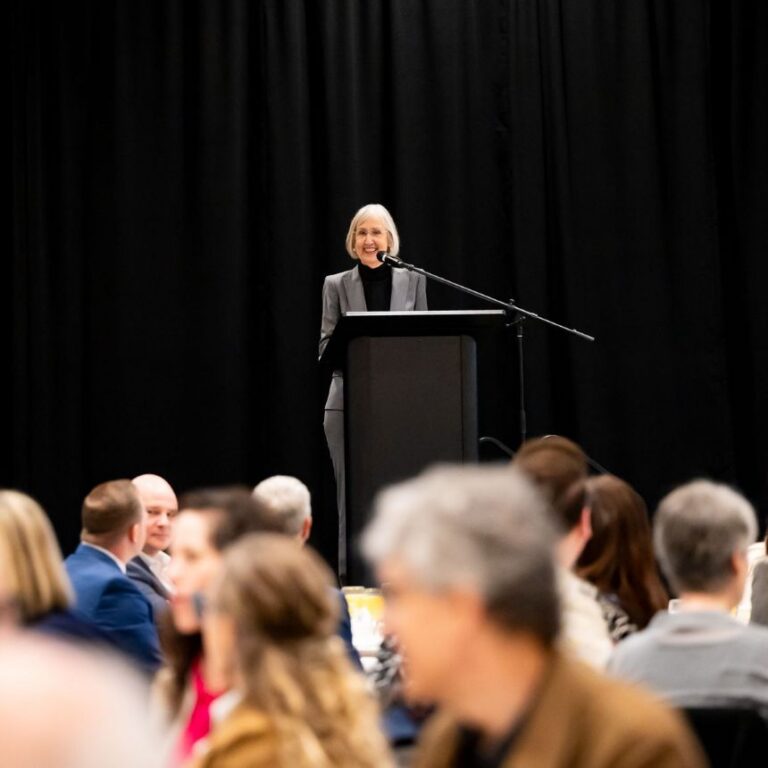
Diane Benavides Wille, VP of Equity, Inclusion, and Workforce Development, chairs the LifeWorks NW Zero Suicide committee. “What we are currently focusing on is something new and innovative,” she says, explaining how all clinicians receive Zero Suicide training to help identify when clients are at risk. The most recent statistics show that implementing the program has helped reduce client suicides ending in death by 29%.
'Changing the Narrative’ addresses the words we use
“Changing the Narrative” is this year's World Suicide Prevention Day theme.
One small change that makes a big impact is the words we use, says Kym Carmichael, Program Director and committee member. “I believe changing the word ‘committed’ to ‘died by’ is a powerful and simple shift everyone can do,” she says. “This wording change helps provide a more caring frame and takes away blame on the individual. “
Diane offers more context. "The word commit is usually associated with two things: commit to an unlawful action, such as a crime, or commit as in a sin. Both have bad connotations. When we say that someone died by suicide, it removes the judgment and blame posthumously.”
The IASP shares the inspiration for this year’s theme on their website:
Changing the narrative on suicide is about transforming how we perceive this complex issue. It’s about shifting from a culture of silence and lack of understanding to one of openness, empathy, and support.
Diane adds, “I think the narrative is that suicide and talking about suicide is scary. Suicide is a thought that crosses the mind of many. While many do not act on these thoughts, having conversations that are honest and caring for those that may have these thoughts is lifesaving.”
Challenging suicide myths
An important aspect of changing the narrative is challenging common myths about suicide. Committee member and Program Director for the Washington County Crisis Team at the Hawthorn Walk-In Center, Rich Roell, takes on one of the most persistent myths: that if someone is determined to end their own life, no intervention will matter.
"The idea that suicide is inevitable, that there is nothing we can do to prevent it, has persisted far too long,” he says. “Although this is often spoken of as a fact, no research in more than 50 years supports this.”
“It's actually the opposite,” he explains. "Studies show that when organizations empower their staff to make suicide prevention everyone's job, suicide rates drop and can even reach zero.”
Committee members also challenge the notion that restricting access to means of self-harm -- for example, locking away guns -- is ineffective.
“Whatever we can do to delay access to lethal means buys time for someone to rethink a permanent, irreversible solution to a temporary problem,” says Diane.
Other myths include:
MYTH: Someone who talks about suicide is just seeking attention.
FACT: Many who have died by suicide have expressed feelings of hopelessness to someone.
MYTH: The age ranges at most risk are teens and college students.
FACT: According to the Mayo Clinic, the age groups with the highest suicide rate in the U.S. are women 45 to 64 and men 75 and older.
MYTH: Suicide comes out of nowhere.
FACT: Research has revealed warning signs are often present. If a person tells you they are thinking about suicide, believe them.
What to do if you think a loved one is at risk of suicide
If you are worried someone in your life is at risk of suicide, Oregon Suicide Prevention recommends you start with a direct conversation:
- Ask if they are thinking about suicide. Listen to the answer with empathy.
- Gently explore their answer. Ask, “When did you start feeling this way?”
- Offer to connect them with someone who can help. For example, you can ask, “How would you feel about talking to a counselor”
- Determine if they have made a plan. Statistics show those who have taken the time to formulate a plan are at greater risk. Knowing the level of detail they have in their mind is critical.
Rich points out you won’t have to be a mental health professional to play an important role in suicide prevention. “What we have seen around the world is that anyone, whether or not they're employed in healthcare, can ask the question, ‘Are you thinking of suicide?’ and be given the training to assist the individual to get help if the answer is yes."
LifeWorks NW can help
If you need immediate help, call 988 or your county crisis line. If you are thinking of suicide or are concerned someone you love is at risk, we can help. The kind and knowledgeable LifeWorks NW staff have experience in crisis and suicide prevention. To get more information or make an appointment, call 503-645-9010 or fill out our Contact Us form.
ADDITIONAL RESOURCES
Eight common myths about suicide, Mayo Clinic Health Systems
Fifteen 30 second videos focused on suicide awareness, LifeWorks NW
Comedian facing debilitating depression shares coping strategies, American Foundation for Suicide Prevention
American Foundation for Suicide Prevention calls for cuts to be reconsidered, American Foundation for Suicide Prevention
Zero suicide, Oregon Suicide Prevention