
Social Sprouts helps participants grow connection through gardening
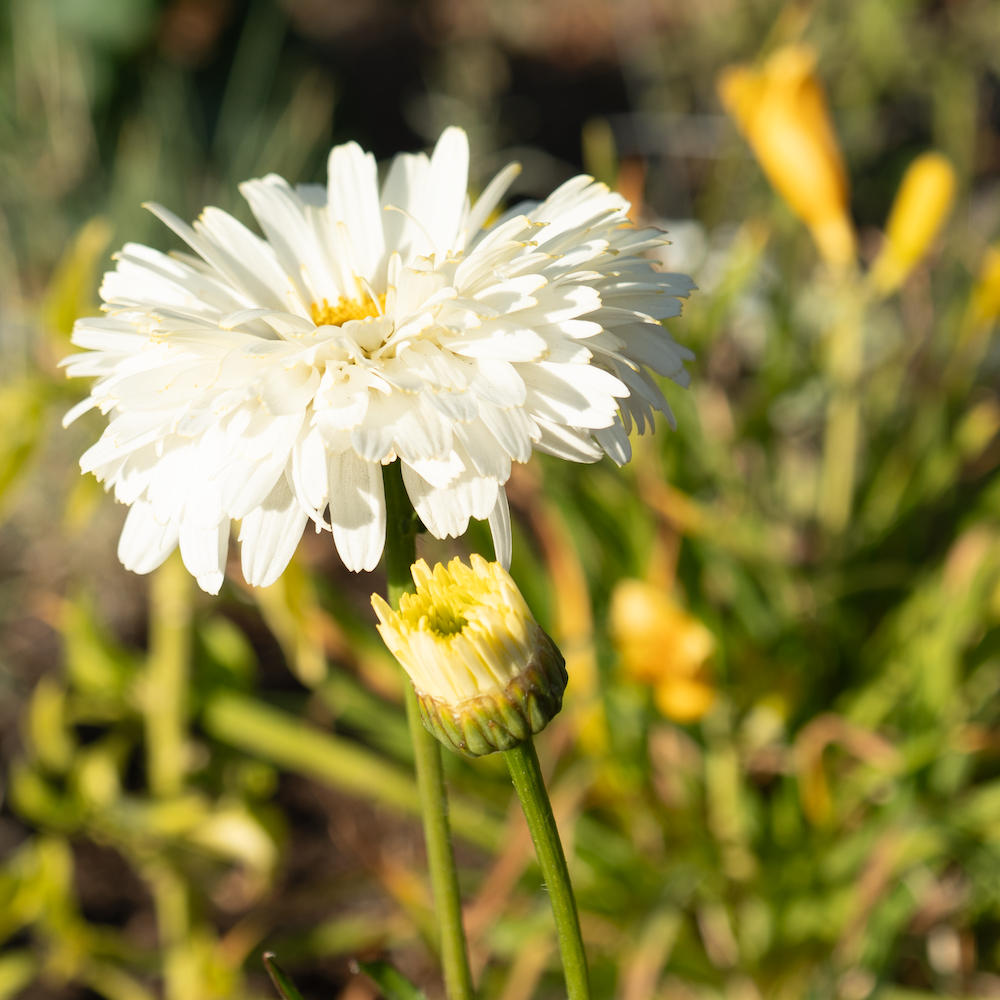
Each week, a small group gathers around a set of raised garden beds at our Hillsboro – Walnut St. site. Some are watering plants, others are checking on vegetables or pulling weeds. What may look like an ordinary gardening class is actually Social Sprouts, a therapeutic socialization group.
Group-based services are an important part of behavioral health care. While every group at LifeWorks NW has a different focus, all are designed to help participants connect with others, learn and practice new skills, and build confidence in a supportive and structured setting.
The spark behind Social Sprouts
The idea for Social Sprouts grew from an existing social group led by Casey LaMarca-Elkins, a Mental Health Therapist with the Enhanced Adult Mental Health Services ( EAMHS) team. After conversations about creating more opportunities for connection and community moved towards action, the gardening group launched in April.
“I love gardening,” says Casey. “We started talking about getting a garden, and eventually it grew into Social Sprouts. I love that this is something everyone has put their hands in and feels invested in.”
Every week brings new discoveries. After a failed attempt at planting spinach, the group quickly learned the summer heat isn’t ideal for that crop. The experience has also sparked conversations about where food comes from, with some group members seeing for the first time how tomatoes and cucumbers grow.
One of the biggest surprises has been how eager people are to spend time outdoors.
“It made me realize how little access some people have to nature and how thirsty they are to touch the ground, smell the outside, and touch leaves,” she says.
Social Sprouts brings new opportunities to engage
Beyond gardening, the space provides opportunities to slow down and reset when people need it most. Following one particularly difficult day, group members decided to have a potluck the next week to decompress together. At the potluck, they enjoyed pico de gallo made with jalapenos grown in the garden. On another day, participants spread blankets across the ground and gathered to read The Very Hungry Caterpillar.
At its core, Social Sprouts is about creating connection in a way that feels natural and low pressure, simply by working side by side in the garden.
“It takes away the pressure of a one-on-one conversation,” Casey shares. “You can just water plants next to someone else watering in the garden.”
“The exposure to other humans is important,” Casey adds. “If you’re learning something, that’s even better. If you’re doing something together and building a team, that’s the best.”
As the seasons change, participants are already discussing what comes next, from winter crops to new opportunities to gather.
“It’s their group,” she says. “We can keep meeting as long as people keep coming.”