Talking Points recap: ‘How multi-generational trauma impacts addiction and treatment in the African American community’




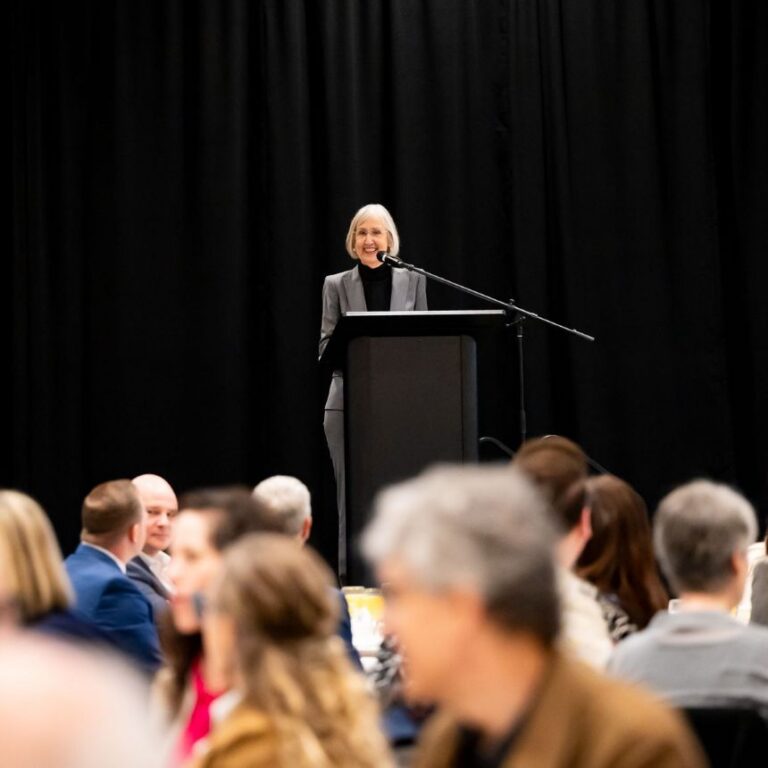
Many thanks to all who joined us for the second edition of our LifeWorks NW’s Talking Points series, featuring Cheryl Moten, CADC II. Cheryl shared her insights and expertise from over 20 years of working in addiction treatment and recovery, the session explored how Cheryl’s own story illustrates what multigenerational trauma looks like and ways to clinically address it.
Karen Warr, Director of Development, opened the event by introducing Cheryl, who serves as a Chemical Dependency Counselor at Project Network, a LifeWorks NW residential treatment center that provides culturally focused addiction and recovery services to women in Portland.
How trauma can fuel addiction
Cheryl began by stating her intention for the session: to share a personal journey of multigenerational trauma, addiction, healing, and joy — and how that journey now informs her work with others in recovery.
To kick off the conversation, she shared two photos: one of her mother, who passed away when Cheryl was two months old ; the second of young Cheryl age six, with two young relatives. Through the photos, she described the fear and uncertainty that came with growing up in a family that became splintered following the death of her mother, when Cheryl’s aunt took over her care.
"For me, I was always trying to connect with my family,” said Cheryl. “I didn’t realize it was my trauma that was forcing that part. As I would go on to adulthood, I got introduced to drugs and alcohol, and that made the trauma lessen."
"I still didn’t have a name for it,” she said. "If you look back at the picture, I know that, at six, there was a lot of trauma. I would go through life trying to connect, and alcohol and drugs played a part in that."
"It became very important,” she said. "And that became the struggle of my life."
A journey to recovery
Cheryl sought treatment and did not look back. "I had lost my kids," she said, "But I went to treatment and got my kids back." When Cheryl got clean in 1991, her sister said, "It’s bigger than just using drugs." This theme continued throughout the session, as Cheryl outlined how addiction can impact whole families and communities. In Cheryl’s case, all 10 siblings in her family struggled with an addiction of some kind.
Breaking the cycle at Project Network
Years later, while working at another local nonprofit, someone approached Cheryl and said, "I believe you have something to give to the women of color" at LifeWorks NW, encouraging her to become an addiction counselor at Project Network. She has remained in that role ever since. Cheryl works today to help women work through how trauma plays a role in their addiction and to break the cycle between generations.
"What I learned is that... we, as African Americans, deal with trauma totally different," she said. "It’s all still the same, but we go to a place of being defensive." She added that she often encounters multiple family members who have all gone through Project Network. The reality of addictions is that relapses happen, but this can often cause clients to believe that treatment is ineffective.
"This is a cycle that happens, especially in the African American community," said Cheryl. "It’s a small community... [It’s] about listening to their story and realizing that their reality is not mine."


The importance of trust in addressing trauma
Trauma takes many forms, and recovery requires addressing the root cause of one’s addiction. Giving clients whatever time they need to build trust is critical. Triggers can show up unexpectedly, but Cheryl's experience helps her to know how to recognize when they do.
For example, Project Network serves women who often have their kids with them on-site, which can be challenging for the residents who have yet to get their kids back. Others may have a trauma response to law enforcement in the lobby.
"I tell [clients] all the time: 'You guys get up and you put on the cloak, the trauma, like it’s clothing,'" said Cheryl. "'Then you wear it all day.'"
She shared some tangible ways to build trust: creating safe spaces, being consistent, promoting safety, and having an open-door policy.
Care for the clinician
Cheryl also emphasized the importance of addressing one’s own trauma when working with clients in recovery. She sees this work as ongoing and vital to her ability to show up for her clients every day.
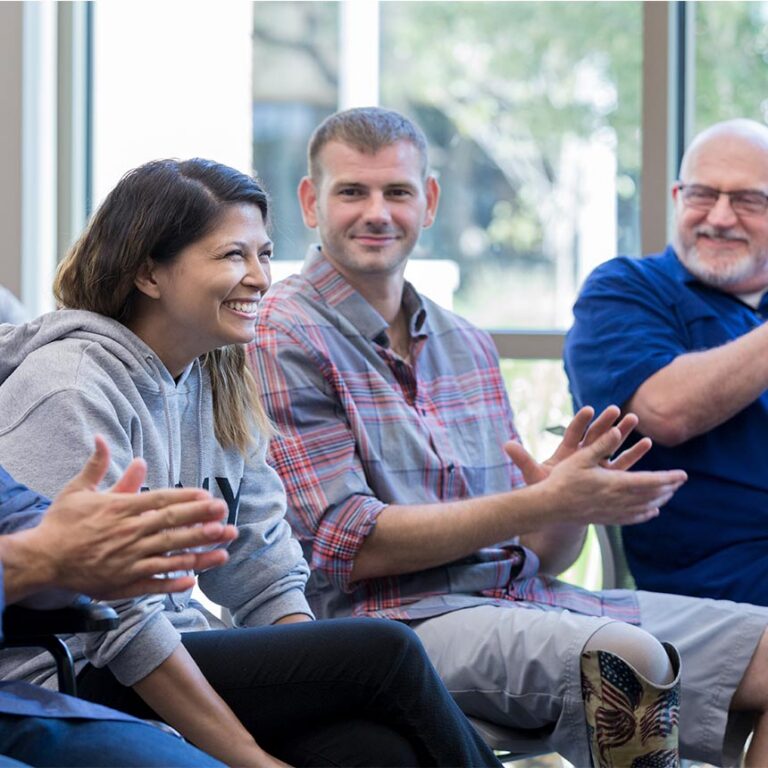
"I have friends that I count on, and even counseling," she said. "I do that when I need to because I can't pour into someone else if I am empty." Many in the room nodded in agreement. Cheryl also feels supported by her family, colleagues, and church.
"I tell my clients all the time: [the trauma] will always be there," said Cheryl. "The difference is, you know, in the beginning, where you couldn’t catch your breath?... After a while, you’ll be able to breathe through it."
Join us for our next Talking Points session!
Where mental health and primary care meet: Integrated Services
Cortney Taylor, M.D., Medical Director, LifeWorks NW
May 20, 2026
6:30 to 7:30 pm
LifeWorks NW – Sylvan
5415 SE Westgate Drive
Portland OR 97221
Light refreshments provided. Event is free and open to the public.