
Meet Michelle De Oliveira, Occupational Therapist Lead
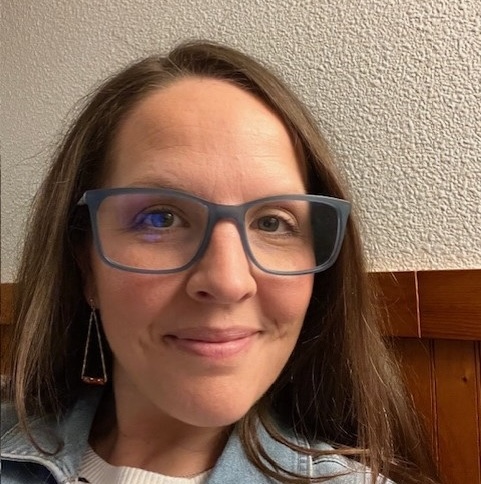
Meet Michelle De Oliveira, Occupational Therapist (OT) Lead with theEarly Assessment and Support Alliance (EASA), volleyball coach, and published author. She joined LifeWorks NW more than eight years ago to help expand the role of OT within the EASA network.
Finding her fit
Michelle discovered her passion for the EASA model while doing her fieldwork rotation with EASA in Yamhill County. She worked there for two years after graduate school and then transitioned to LifeWorks NW’s EASA program.
“The role allows me to continue working within EASA while serving a larger, more diverse caseload,” she says.
Helping others build skills and gain independence
As an OT, Michelle supports her clients by promoting participation in meaningful, everyday activities and providing tools to be as independent as possible. She also assists in managing symptoms of psychosis through engagement in occupations, adapting routines, and adjusting environments to meet an individual’s needs.
“I love being part of people’s recovery journey — seeing clients overcome difficult challenges, especially succeeding at a goal we’ve been working on,” Michelle says. “It’s such a joy to cheer them on!”
Michelle approaches these goals through working on cognition, sensory processing, environmental modification, social participation, and everyday roles and routines.
Championing OT in mental health
While in graduate school, Michelle studied under Dr. Sean Roush, a pioneer of EASA in the United States, and later served as his teaching assistant.
Years later, Michelle joined forces with Dr. Roush to pen a chapter in Occupational Therapy for Mental Health. The textbook takes a deep dive into the role of OT in mental health care.
Today, fewer than 3% of occupational therapists work in mental health, despite the profession’s roots in the field.
“There is so much potential for OT in mental health care,” Michelle says. “When people are out there doing life, outcomes are better.”
Giving back in more ways than one
Michelle also supports the next generation of OT professionals through guest lectures and by supervising fieldwork students.
“Any time you can get more involved in your field is good,” she says. “It gives back and is a great way to foster community support and inclusion.”
Outside of work, Michelle coaches club volleyball, where she enjoys helping young athletes build skills and confidence.
“It’s been so fun and rewarding taking on this new role!” she adds.